
In today’s technologically advanced world, sensors play a critical role across multiple industries, from industrial automation and agriculture to environmental monitoring and healthcare. While off-the-shelf sensors meet general requirements, many applications demand highly specialized performance characteristics. This is where custom solutions from sensor manufacturers become essential, providing tailored designs that meet the unique requirements of specific environments, processes, and systems.
A reputable Sensor Manufacturer understands that no two applications are exactly alike. Custom solutions allow manufacturers to design sensors with precise specifications, such as measurement range, sensitivity, form factor, and environmental resistance. These tailored products ensure optimal performance in challenging conditions, enabling businesses to achieve higher accuracy, reliability, and operational efficiency.
Table of Contents
ToggleAddressing Specific Industry Needs
Different industries have distinct requirements for sensors. For example, agriculture may require sensors capable of monitoring soil moisture, temperature, and sunlight intensity simultaneously, while industrial applications may need high-precision temperature and pressure sensors capable of withstanding extreme conditions. Custom sensor solutions allow manufacturers to create products that precisely match these industry-specific requirements.
In manufacturing, customized sensors can be integrated into automated systems to monitor critical parameters and optimize production processes. By tailoring sensor specifications to the operational environment, manufacturers ensure that the devices provide accurate and consistent data, minimizing errors and improving overall efficiency.
Enhancing Accuracy and Reliability
Standard sensors may not always deliver the level of precision required for specialized applications. Custom sensors are designed to meet exact measurement tolerances and calibration standards, ensuring consistent performance over time. This enhanced accuracy is particularly important in industries where small deviations can have significant consequences, such as chemical processing, pharmaceuticals, and aerospace.
Additionally, reliability is a major advantage of custom solutions. Sensors designed for specific environmental conditions—such as high humidity, extreme temperatures, corrosive atmospheres, or heavy vibration—are less likely to fail or provide inaccurate readings. Custom solutions from experienced manufacturers therefore increase the longevity and stability of the sensors, reducing maintenance costs and downtime.
Flexibility in Design and Form Factor
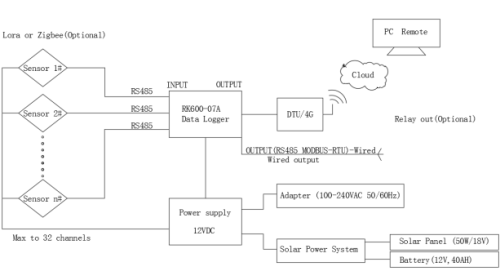
One key benefit of custom sensors is their flexibility in design. Manufacturers can tailor the form factor, mounting options, and communication protocols to integrate seamlessly into existing systems. Compact or uniquely shaped sensors can fit into confined spaces, while sensors with specialized connectors or wireless interfaces can simplify installation and integration.
Customizable features also allow for multi-parameter sensors that measure several environmental or operational variables in a single unit. This reduces the need for multiple sensors, simplifies system architecture, and lowers overall installation costs, making operations more efficient.
Supporting Innovation and Competitive Advantage
Companies that leverage custom sensor solutions can innovate more effectively. Tailored sensors enable businesses to develop unique products, optimize processes, and implement advanced monitoring or control systems that competitors may not have access to. In sectors such as robotics, autonomous vehicles, and smart infrastructure, the ability to integrate highly specialized sensors can be a key differentiator.
By working closely with sensor manufacturers, companies can co-develop solutions that meet emerging challenges and exploit new technological opportunities. This collaborative approach drives innovation and positions businesses at the forefront of their industries.
Reducing Operational Risks
Custom sensors also help reduce operational risks. In industries where safety and compliance are critical, tailored sensors can be designed to meet regulatory standards and ensure consistent monitoring. For example, sensors in chemical plants may need to detect minute pressure changes or toxic gas levels, while sensors in medical devices must meet strict calibration and accuracy requirements.
By relying on custom solutions, organizations can mitigate the risk of equipment failure, inaccurate data, or regulatory non-compliance. This proactive approach not only protects investments but also ensures the safety of personnel, the environment, and end-users.
Technical Support and After-Sales Service
A major advantage of working with a manufacturer that offers custom solutions is access to dedicated technical support. Manufacturers can provide guidance on sensor selection, installation, calibration, and maintenance specific to the customized product. This personalized support ensures optimal performance and addresses issues quickly, reducing downtime and operational disruptions.
After-sales service for custom sensors often includes software updates, recalibration options, and troubleshooting assistance. The combination of high-quality products and dedicated support strengthens the reliability of the overall system and enhances user confidence.
Conclusion
Custom solutions from sensor manufacturers play a crucial role in enabling industries to meet specialized requirements, improve operational efficiency, and maintain high levels of accuracy and reliability. Tailored sensors offer flexibility in design, multi-parameter measurement capabilities, and enhanced durability, ensuring that they perform optimally in specific environments and applications.
By investing in custom sensors, organizations can innovate, reduce risks, and achieve competitive advantages in their respective fields. Working with an experienced and reputable sensor manufacturer ensures that the solutions provided are precisely designed, expertly supported, and capable of meeting the demands of modern industry.